
Diamond Education
Lab Grown Diamonds
Where Modern Science Meets Timeless Beauty
Diamond Education:Natural vs. Lab-Grown
Diamonds have captivated humanity for centuries with their unmatched brilliance and durability. At their essence, diamonds are pure carbon atoms arranged in a perfect crystal lattice structure. This unique arrangement gives diamonds their incredible hardness (10 on the Mohs scale) and their ability to bend light into that mesmerizing sparkle we all love.
Every diamond is evaluated using the famous "4 Cs" — Cut, Color, Clarity, and Carat weight. These factors determine a diamond's beauty, rarity, and value, whether the stone was formed naturally or created in a laboratory.
Understanding the 4 Cs
Cut
The cut of a diamond refers to how well its facets interact with light. A well-cut diamond reflects light internally and projects it back through the top, creating brilliance, fire, and scintillation. Cut is graded on a scale from Excellent to Poor, and a higher grade means a more dazzling sparkle.
Color
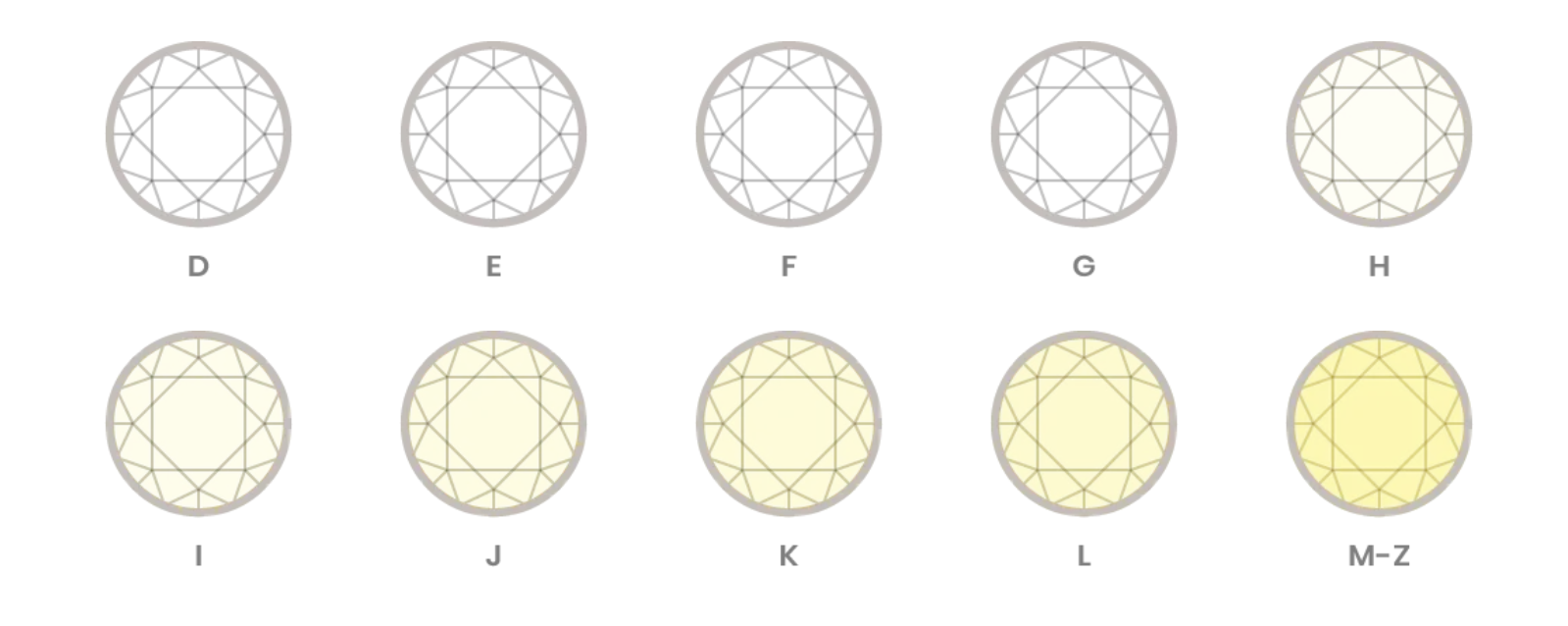
Diamond color refers to how white or colorless a diamond appears. The color scale ranges from D (colorless) to Z (light yellow or brown). Colorless diamonds are the rarest and most valuable, but many people prefer diamonds with a slight warmth.
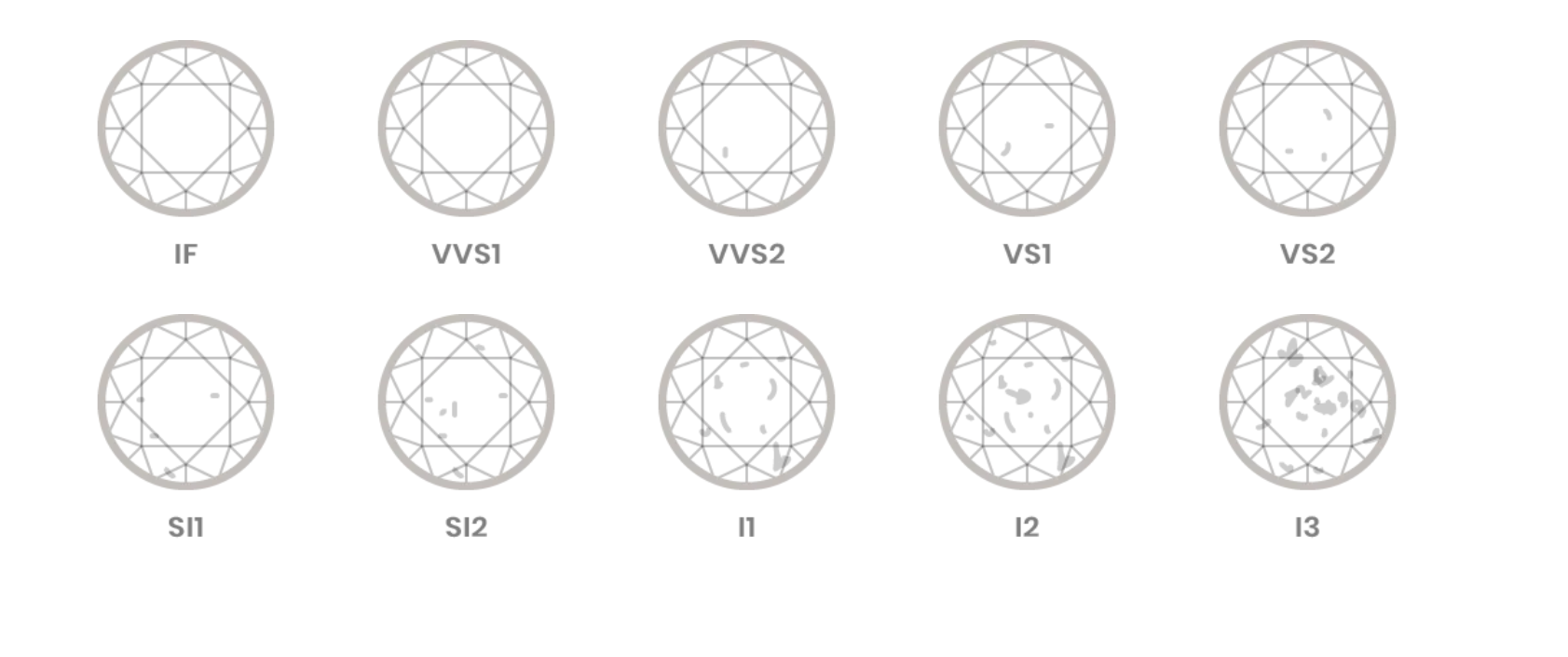
Clarity
Clarity refers to the absence of inclusions (internal flaws) and blemishes (surface imperfections) in a diamond. Clarity is graded on a scale from Flawless (FL) to Included (I3). While flawless diamonds are rare, most inclusions are invisible to the naked eye and don't affect a diamond's beauty.
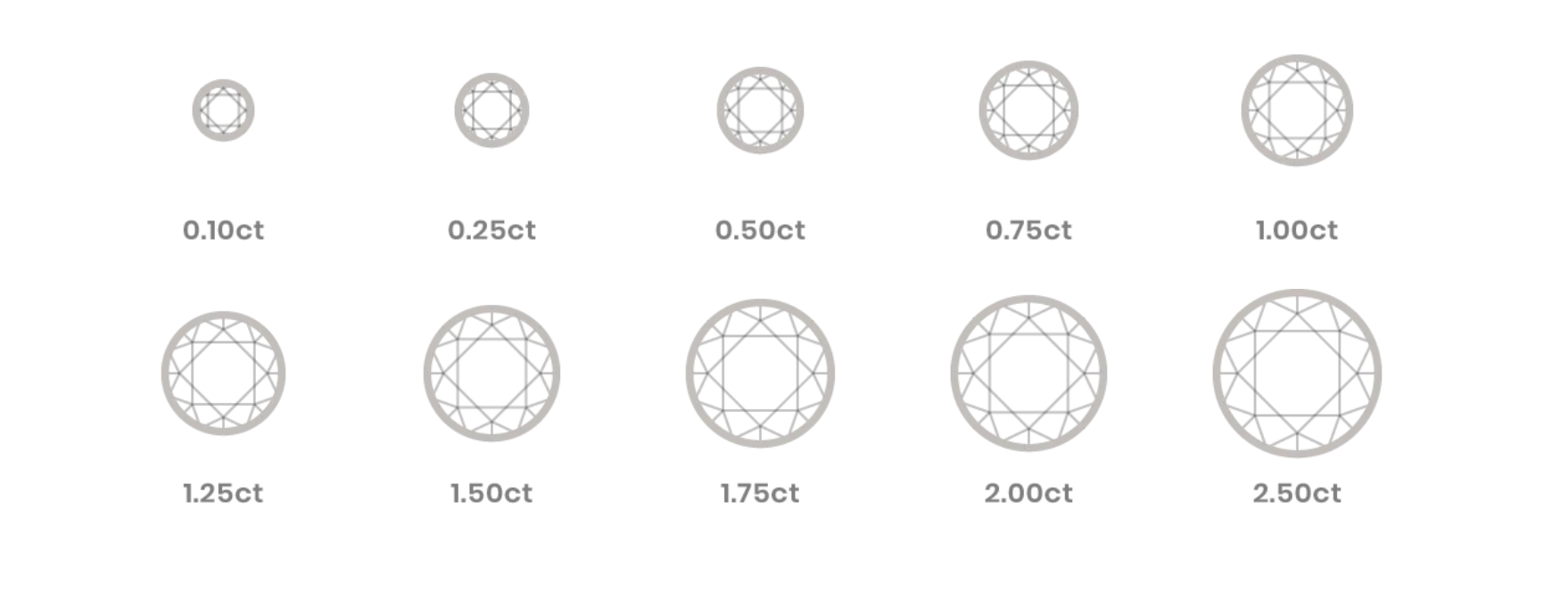
Carat (Size / Weight)
Carat weight is the measure of a diamond's size. One carat equals 0.2 grams. Larger diamonds are rarer and generally more valuable, but carat weight shouldn't be the only factor in your decision. A smaller diamond with a higher cut, color, and clarity grade can often appear more brilliant than a larger, lower-quality stone.
Lab-Grown Diamonds
Where Modern Science Meets Timeless Beauty
Lab-grown diamonds are 100% real diamonds, created using advanced technology that replicates the natural diamond formation process. These gems possess identical physical, chemical, and optical properties to their natural counterparts. The only difference? Their origin story.
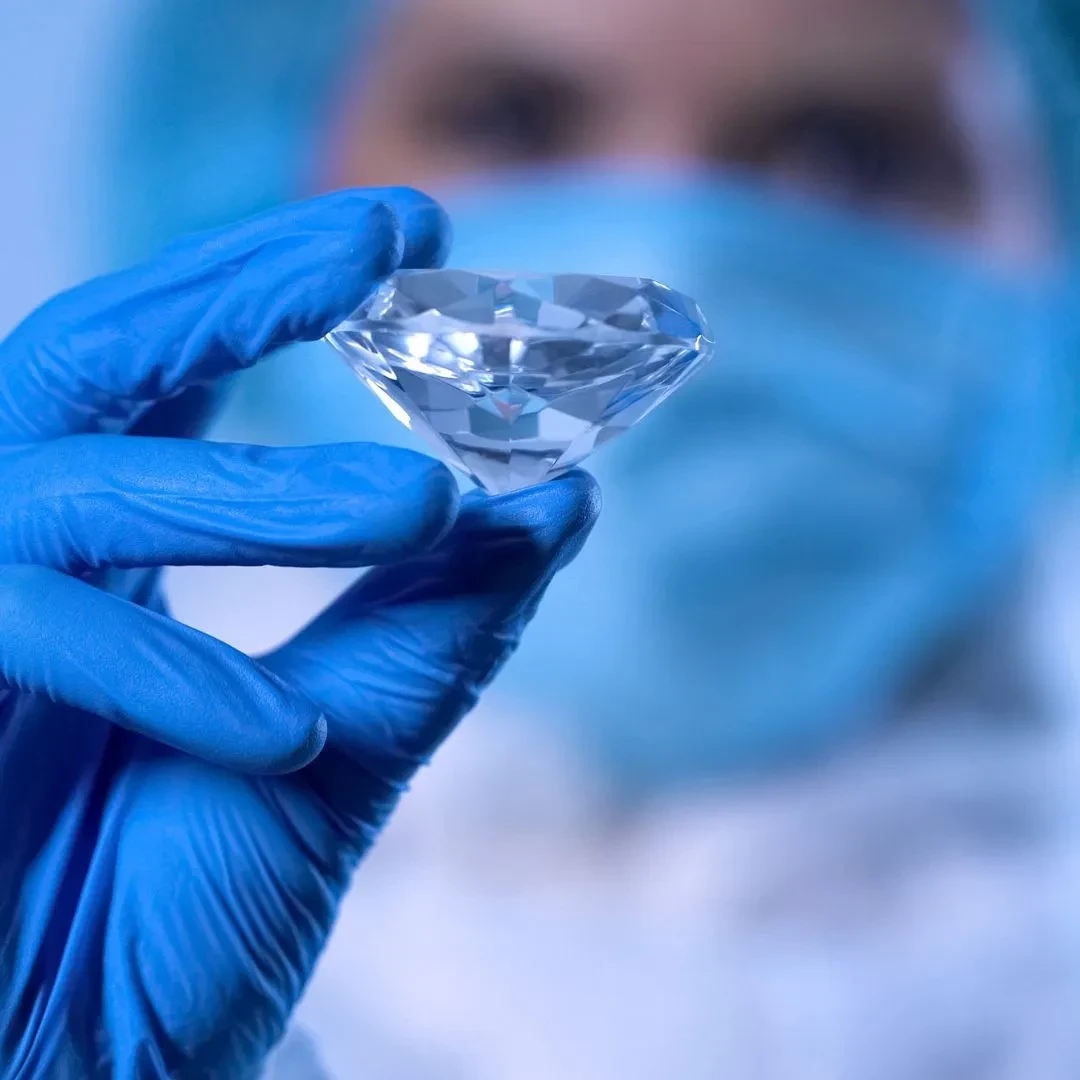

Comparing Natural and Lab-Grown Diamonds
Both natural and lab-grown diamonds exhibit the same stunning brilliance, fire, and scintillation. They share identical optical properties, meaning they reflect and refract light in exactly the same way. The quality of both types depends on the same 4 Cs, and exceptional examples can be found in each category.
Lab-grown diamonds often achieve higher clarity grades due to the controlled environment in which they're created, while natural diamonds offer the unique character that comes from their billion-year formation process.
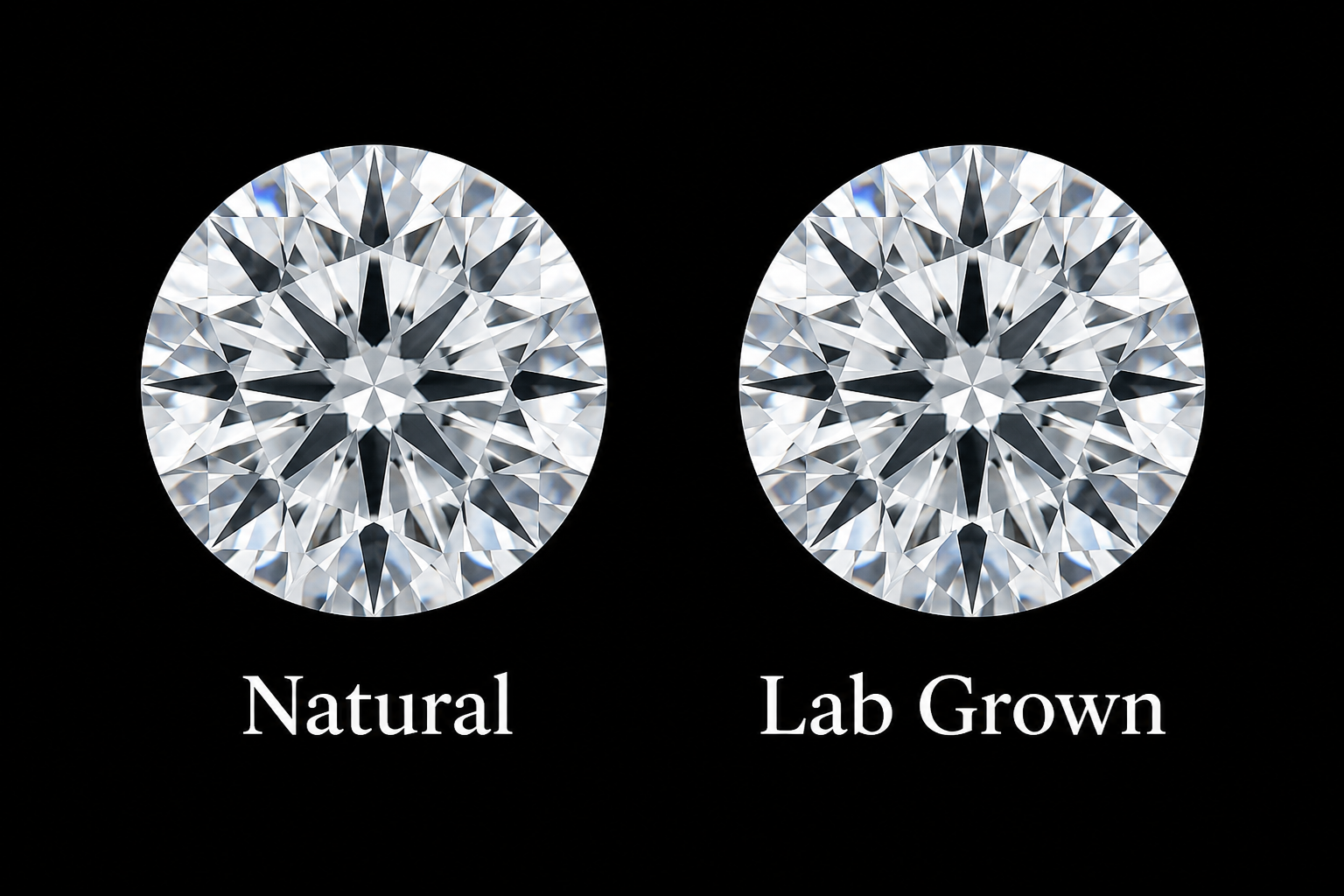
Natural vs. Lab-Grown
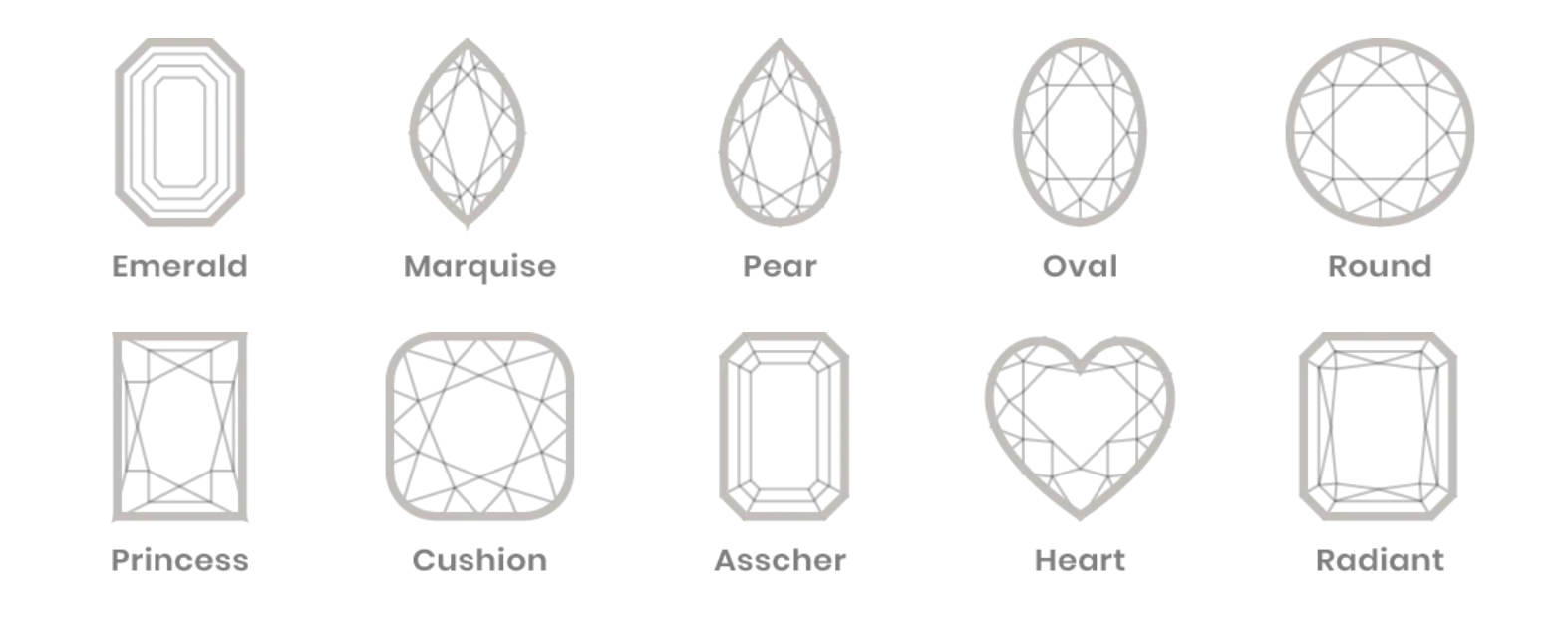
The choice is yours! At Dimond Jewelers we offer a wide selection in both Natural and Lab Grown Diamonds. Both of which are available in every Shape, Size, and Color. We also have many Certified Diamonds.
Visit our store to speak with our professional Diamond Experts who will assist you in choosing the perfect Diamond for you!
Both symbolize love, commitment, and celebration!
The Same Stunning Brilliance
Both natural and lab grown diamonds exhibit the same stunning brilliance. Formed from pure carbon and cut to identical proportions, they share the same optical properties — the same fire, scintillation, and sparkle that has captivated the world for centuries.
The only difference is their origin. One formed deep within the earth over billions of years; the other created in a laboratory using the same conditions. To the naked eye — and even under a jeweler's loupe — they are indistinguishable.
Visit Us In Store
Come see our collection of natural and lab-grown diamonds in person. Our expert gemologists are here to help you find the perfect stone for your budget and style.
(631) 467-0603
2257 Middle Country Rd. Centereach, NY 11720
Contact Us